
Debunking Common Cleaning Myths: What Really Works


Understanding the Myths
Cleaning myths abound and can lead to inefficient or even harmful practices. From using vinegar on everything to believing that bleach is the ultimate solution, it's crucial to separate fact from fiction. Let's explore some popular misconceptions and discover what truly works when it comes to effective cleaning.

Myth 1: Vinegar is a Universal Cleaner
While vinegar is praised for its natural cleaning properties, it's not a one-size-fits-all solution. Vinegar is acidic and can damage surfaces like granite and marble. It's effective for certain tasks, such as removing hard water stains, but not suitable for all cleaning needs. Always test on a small area first and avoid using it on surfaces where it might cause harm.
Myth 2: Bleach Cleans Everything
Bleach is often thought of as the ultimate cleaner, but it doesn't actually clean dirt or grime. Instead, it disinfects and whitens. It's crucial to use bleach for sanitizing purposes and combine it with a proper cleaning agent to remove dirt. Remember, never mix bleach with ammonia or other chemicals, as this can produce toxic fumes.

Effective Cleaning Techniques
Myth 3: More Detergent Means Cleaner Clothes
Using extra detergent might seem like a good idea for cleaner clothes, but it can lead to residue build-up and less effective washing. Modern washing machines are designed to use a specific amount of detergent. Follow the manufacturer's guidelines for best results and cleaner clothes.
Myth 4: Newspapers are Best for Cleaning Windows
This old trick might have worked in the past, but modern newspapers often contain inks that can smudge and leave residue. Instead, use microfiber cloths or a dedicated window-cleaning tool for streak-free results. These materials are more effective and leave windows sparkling clean.

Choosing the Right Products
Myth 5: All Green Products are Safe
While green products are generally better for the environment, not all are non-toxic or safe for every surface. It's important to read labels and understand the ingredients. Some natural substances can still be harmful if misused. Research and choose products that are both effective and safe for your needs.
Myth 6: Disinfecting is the Same as Cleaning
Cleaning and disinfecting are not synonymous. Cleaning involves removing dirt and impurities, while disinfecting refers to killing germs. Both steps are essential for a truly clean environment, especially in areas like kitchens and bathrooms. Use appropriate products for each task to maintain a healthy home.
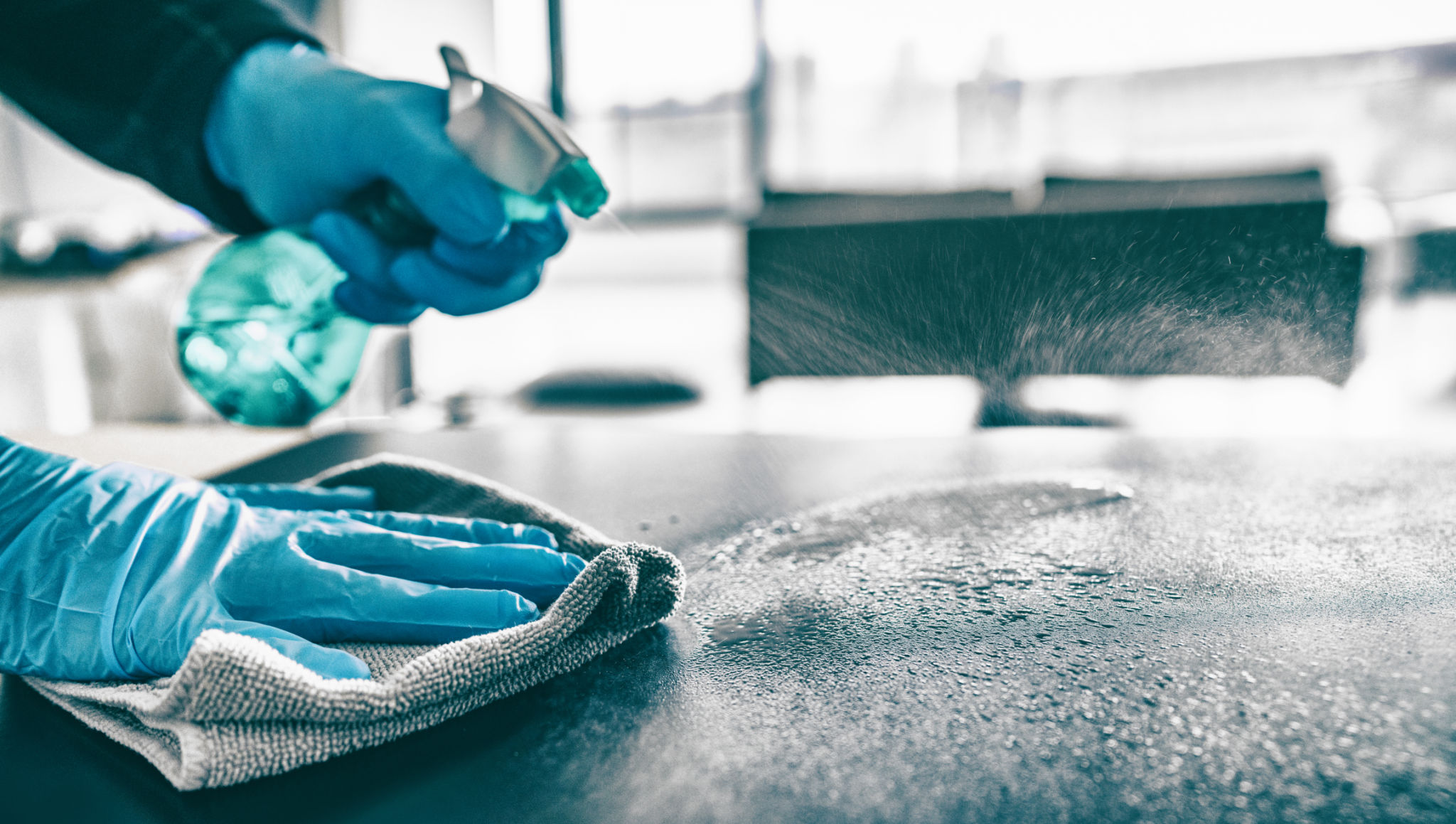
By debunking these common cleaning myths, you can adopt more effective and safe cleaning practices. Understanding what works helps you maintain a cleaner, healthier home and makes your cleaning routine more efficient. Embrace these insights and transform your approach to cleaning today!