
How Smart Technologies Are Revolutionizing Commercial Cleaning


The Rise of Smart Technologies in Commercial Cleaning
In recent years, the commercial cleaning industry has experienced a technological transformation. The integration of smart technologies is not only enhancing efficiency but also improving the overall quality of cleaning services. As businesses seek innovative solutions to maintain cleanliness and hygiene, smart technologies are leading the way.
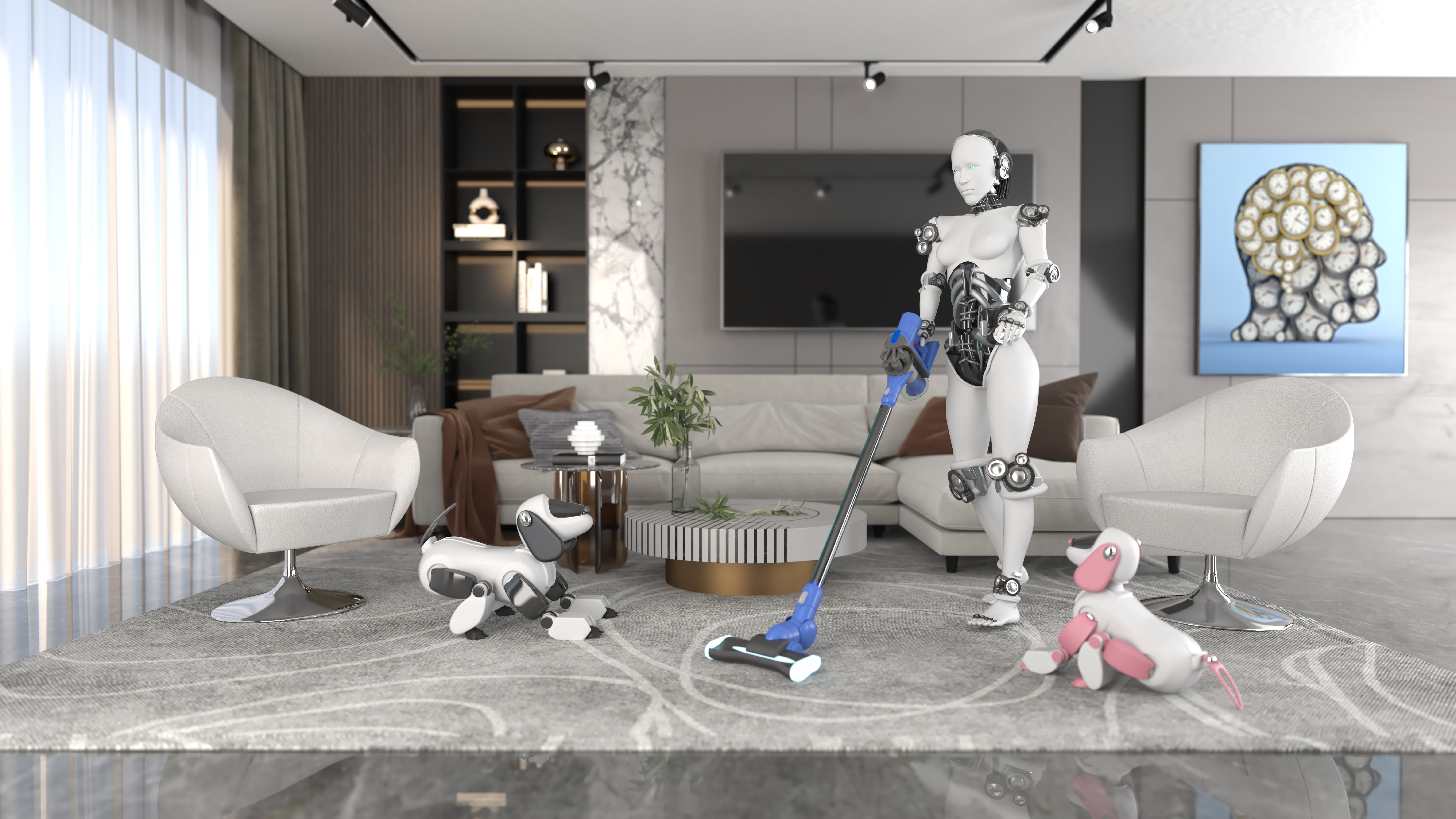
Automation and Robotics
One of the most significant advancements in commercial cleaning is the use of automation and robotics. Autonomous cleaning robots are becoming a common sight in large commercial spaces, such as shopping malls and airports. These robots are designed to perform tasks like sweeping, mopping, and vacuuming with minimal human intervention.
Robotic cleaners are equipped with sensors and cameras, allowing them to navigate complex environments and avoid obstacles. They can operate during off-peak hours, ensuring that the cleaning process does not disrupt daily activities. This not only enhances productivity but also reduces labor costs.
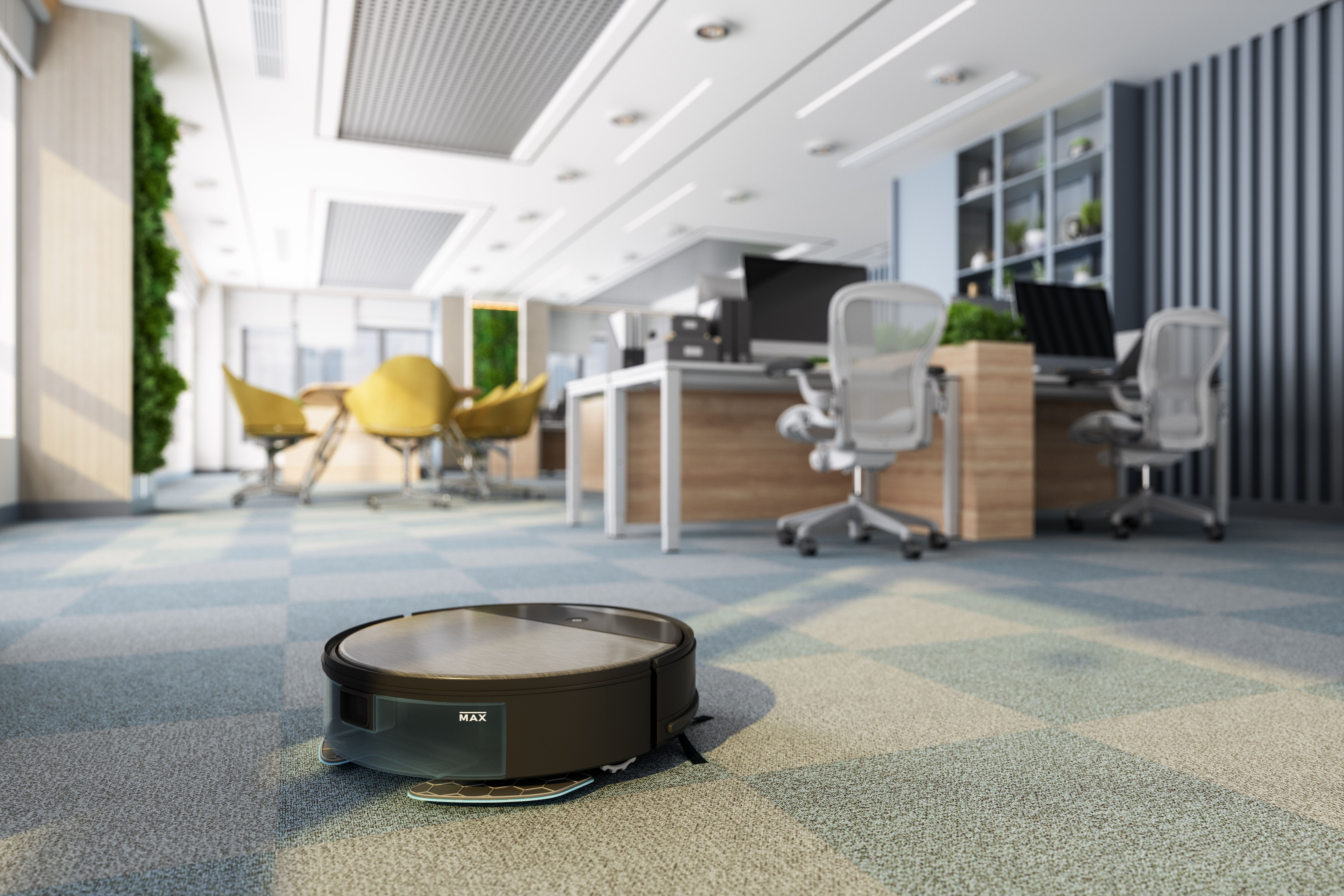
IoT and Smart Sensors
The Internet of Things (IoT) is another game-changer in the commercial cleaning industry. Smart sensors are being used to monitor and manage cleaning operations in real-time. These sensors can be installed in various locations, such as restrooms and common areas, to track usage and cleanliness levels.
With IoT-enabled devices, cleaning teams receive instant alerts when areas require attention. This proactive approach ensures that high-traffic areas are cleaned promptly, maintaining a high standard of hygiene. Furthermore, data collected from these sensors can be analyzed to optimize cleaning schedules and resource allocation.
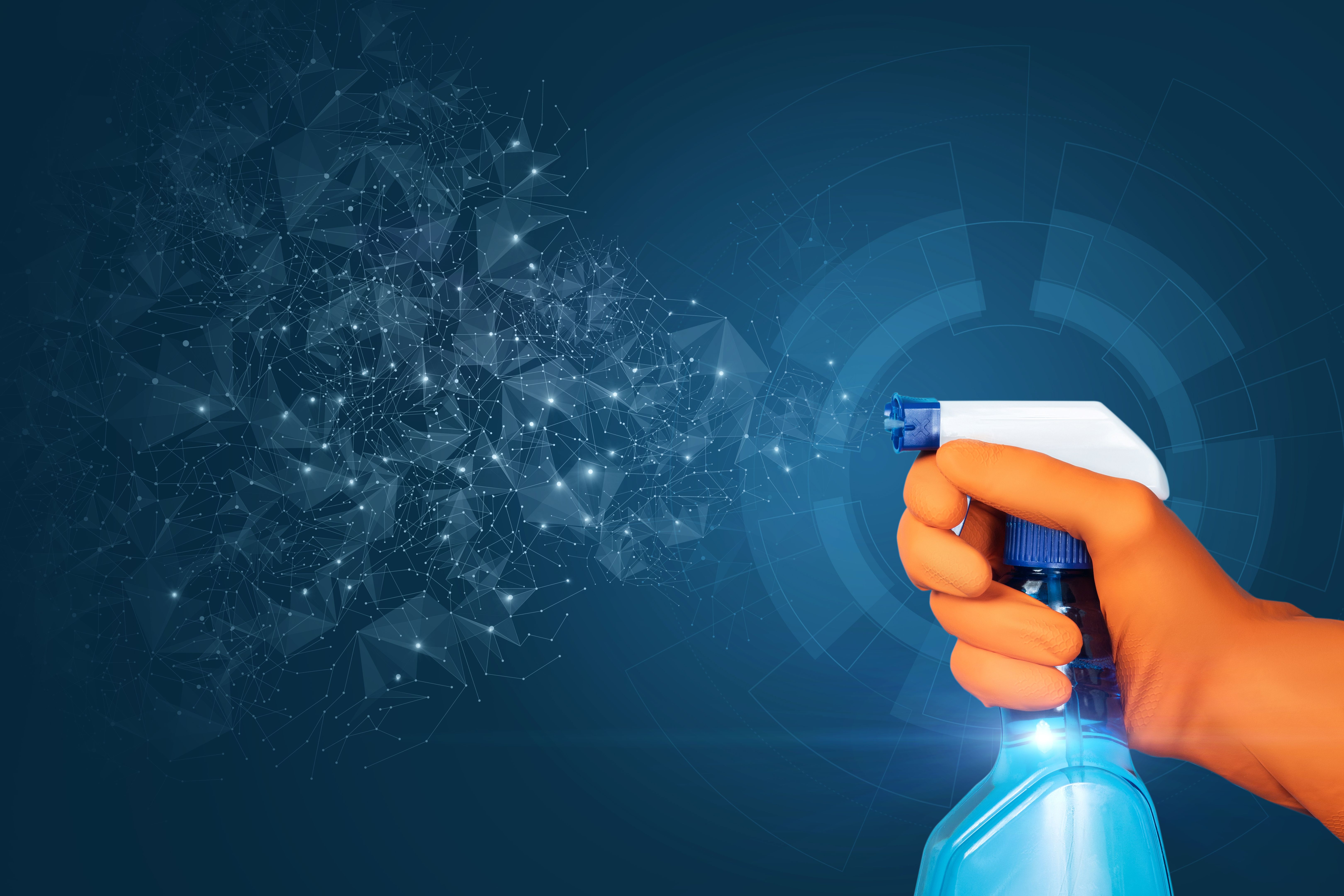
Green Cleaning Technologies
As sustainability becomes a priority for businesses, green cleaning technologies are gaining traction. Smart cleaning solutions now include eco-friendly products and techniques that reduce the environmental impact. Automated dispensers and dilution control systems ensure the precise use of cleaning agents, minimizing waste.
Additionally, energy-efficient equipment, such as low-energy vacuum cleaners and LED-powered devices, contribute to a greener cleaning process. By adopting these technologies, companies not only enhance their environmental credentials but also achieve cost savings in the long run.
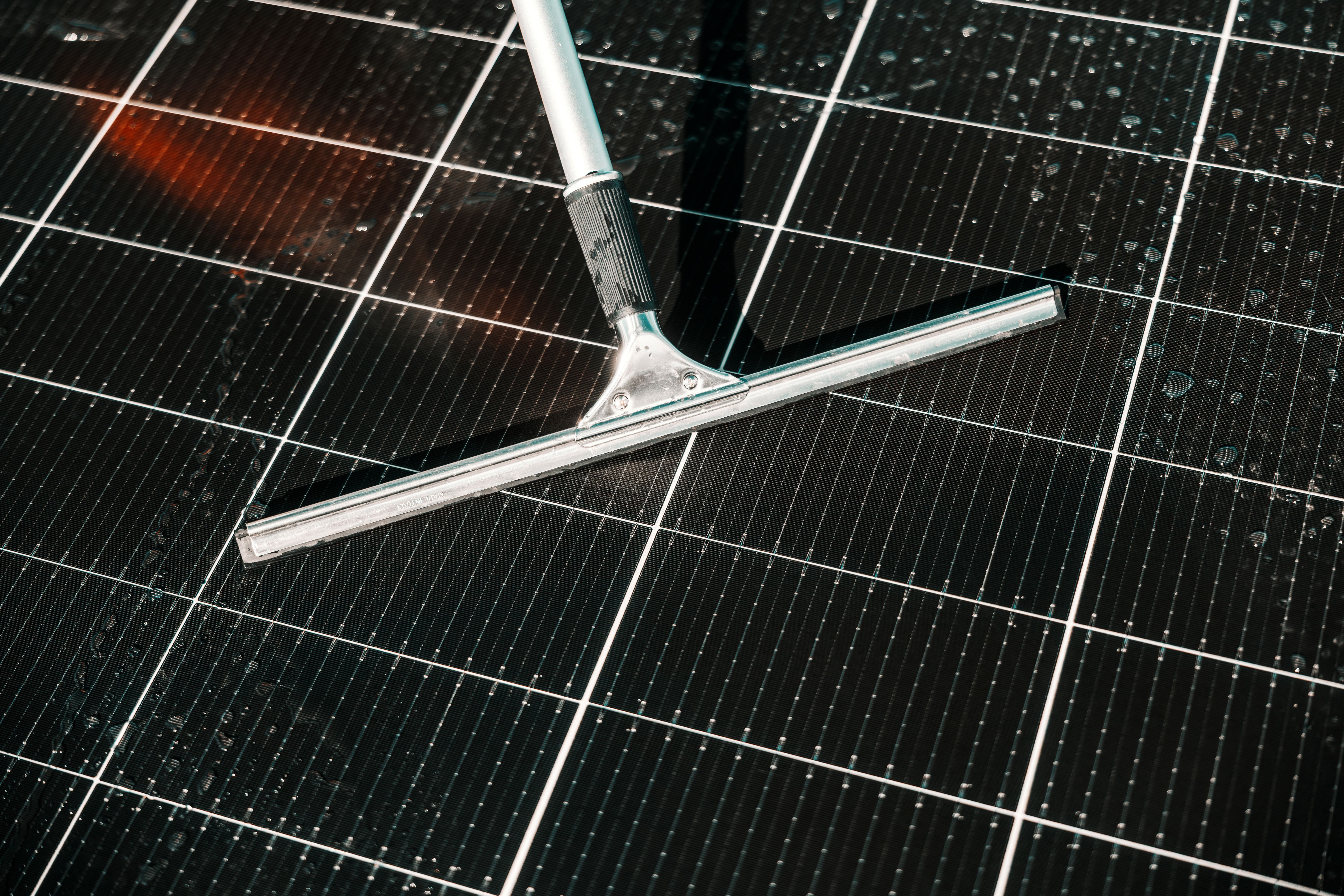
Challenges and Opportunities
While smart technologies offer numerous benefits, they also present challenges. The initial cost of adopting smart cleaning systems can be high, and there is a need for ongoing training and maintenance. However, the long-term advantages, such as increased efficiency and improved cleanliness, often outweigh these challenges.
Moreover, the integration of smart technologies opens up new opportunities for service providers. Companies can offer more personalized and efficient cleaning solutions, setting themselves apart in a competitive market. By staying ahead of technological trends, businesses can meet the evolving demands of their clients.
In conclusion, smart technologies are revolutionizing the commercial cleaning industry, offering innovative solutions to traditional challenges. From automation and IoT to green cleaning practices, these advancements are shaping the future of cleaning services, ensuring cleaner, healthier, and more sustainable environments.